The Samurai Ninja Museum Shinjuku brings the Maikoya experience to central Tokyo. Operated by the same team behind the top-rated Asakusa flagship and the Kyoto branch, the Shinjuku location runs the same hands-on format: an English guided tour, samurai armor try-on, and ninja shuriken throwing. It sits two minutes from Shinjuku-sanchome Station and a few minutes from Shinjuku Gyoen, the 58-hectare national garden built on a Naitō samurai estate that most visitors walk past without knowing what it once was.
What to Expect at the Samurai Ninja Museum Shinjuku
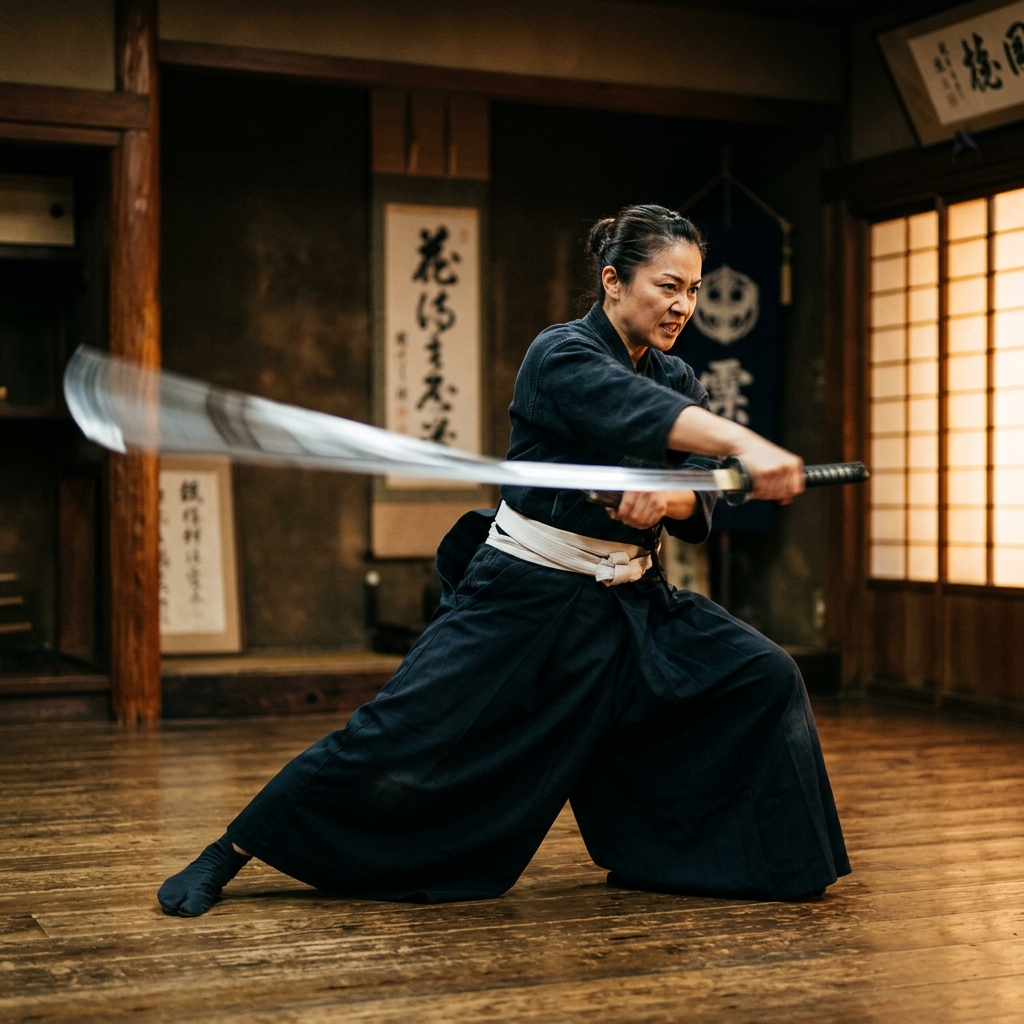
The Shinjuku branch runs the Maikoya format that has earned the network its reputation across three cities: an English-speaking guide walks visitors through the social world of the samurai and ninja, with hands-on activities that make the history physical rather than passive. The 30-minute guided tour starts every 15 minutes, with armor try-on and shuriken throwing included, after which guests explore at their own pace.
What sets the Shinjuku branch apart is its setting. It sits in central Shinjuku, two minutes from Shinjuku-sanchome Station, and a short walk from Shinjuku Gyoen, the former Naitō samurai estate. The neighborhood pairs neon-lit modern Tokyo with a deep, easily missed layer of Edo-period samurai history, which makes it a fitting backdrop for the visit.
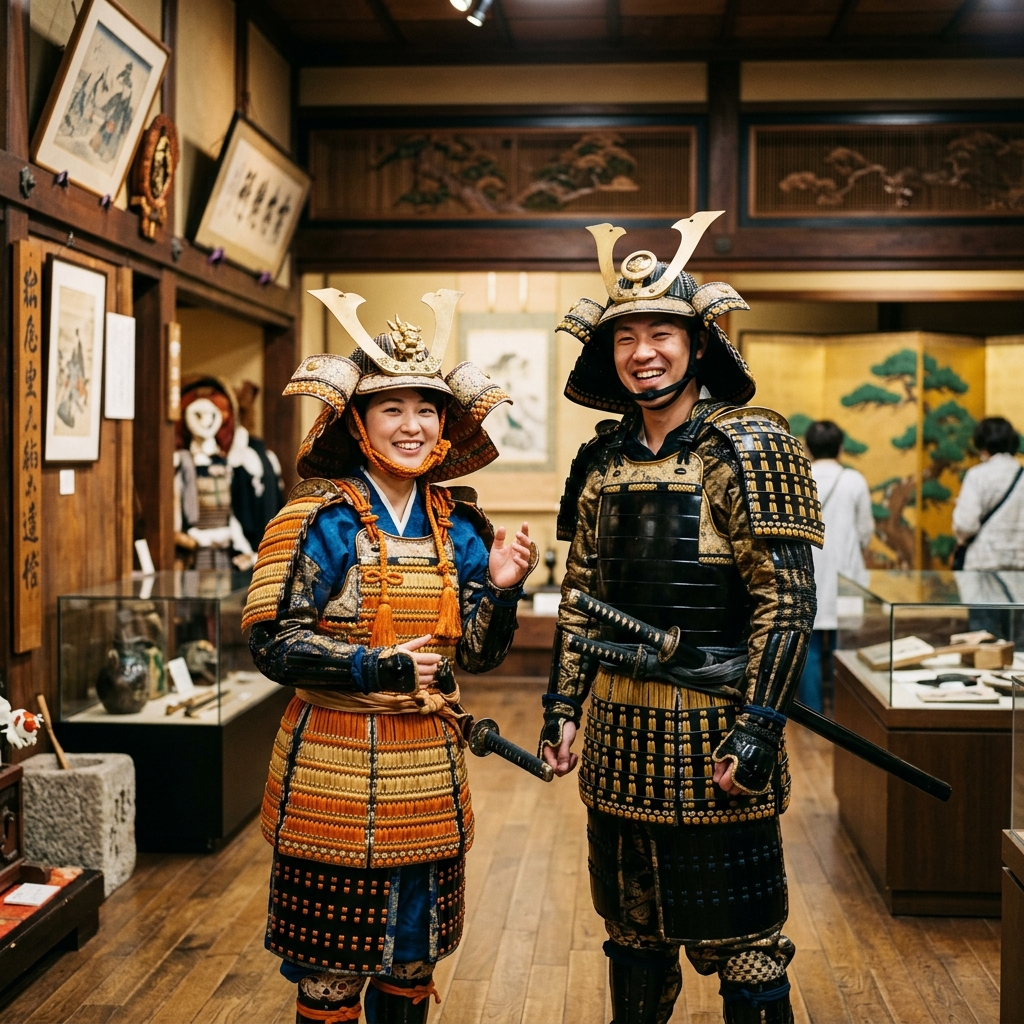
Samurai Armor Try-On
Full Edo-period armor fitting with kabuto helmet — the core hands-on activity included in all Maikoya tickets. Photo documentation is part of the experience.
English Guided Tour
A 30-minute English guided tour through the world of the samurai and ninja, starting every 15 minutes, the core of the Maikoya format at every branch.
Ninja Shuriken Throwing
Throw real shuriken at wooden targets under instructor guidance. Consistently the most crowd-pleasing activity across all three Maikoya locations.
The Samurai City Beneath the Neon: Shinjuku's Hidden History
Shinjuku is where the contradiction of Tokyo is most visible — a neighborhood that handles over three million train passengers every day, whose skyline is a wall of illuminated glass, and whose street-level chaos makes it feel like the furthest possible point from feudal Japan. That reading is wrong. Shinjuku is one of the most samurai-layered neighborhoods in Tokyo; it just doesn't announce itself.
In 1600, after his victory at the Battle of Sekigahara, Tokugawa Ieyasu began distributing the land around Edo to loyal samurai clans. The area that is now Shinjuku went to the Naito clan, who had served the Tokugawa faithfully for generations. In 1603 — the same year Ieyasu built Nijo Castle in Kyoto and formally established the Tokugawa shogunate — he granted the Naito family their Shinjuku estate of more than 180,000 tsubo (approximately 58 hectares). The family built gardens, developed the land, and maintained it as a private samurai holding for over two centuries.
That estate is now Shinjuku Gyoen — the national garden five minutes from the museum. The cherry blossoms, manicured lawns, and greenhouse date from the Meiji government's conversion of the property in 1906. But the land itself, the geometry of the paths, and the pond at its center are Naito samurai geography. Walking through Shinjuku Gyoen after visiting the museum connects the two halves of what Shinjuku actually is.
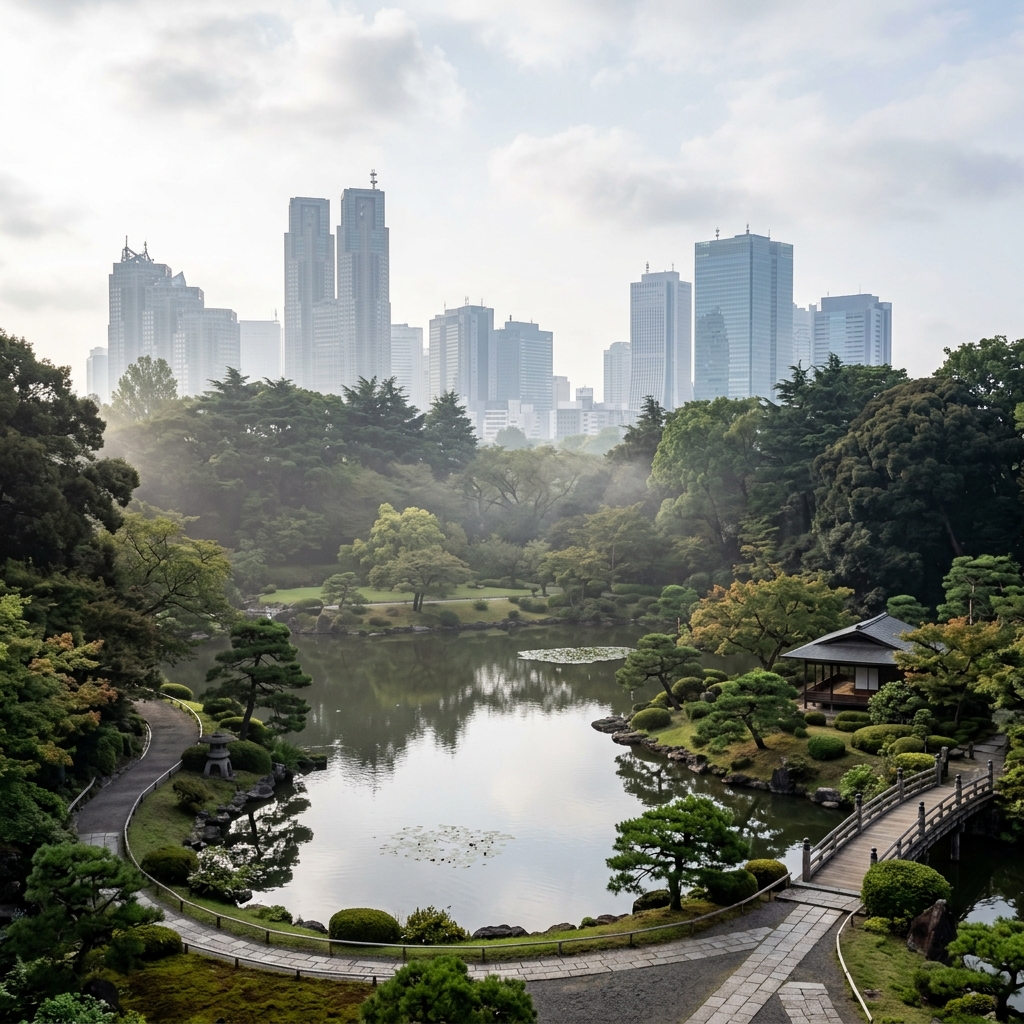
The other buried layer is the Shinjuku-juku post town. The Koshu Kaido — one of the Five Routes of Edo, running from Nihonbashi toward Kai Province — passed through Shinjuku. The post town here was the first overnight stop for travelers leaving Edo, and it served the constant movement of samurai retinues, merchants, and pilgrims under the watchful eye of the Tokugawa road administration. At the district's eastern boundary, the Yotsuya Mitsuke checkpoint (mitsuke means "gate" or "checkpoint") controlled all movement on the Koshu Kaido — one of the most strategically sensitive roads of the shogunate, since it ran toward Kai, the ancestral heartland of the Tokugawa clan. Samurai guards posted here inspected travelers for weapons and checked travel permits.
None of this is visible in the modern Shinjuku streetscape. The gate is gone, the post town is buried under concrete, and the Naito estate's walls exist only as property lines on old maps. The Samurai Ninja Museum doesn't try to reconstruct what was lost — it gives you the mental model to understand what you're standing inside.
Reserve Your Spot at the Samurai Ninja Museum Shinjuku
Timed entry slots fill quickly, especially on weekends and during Tokyo's peak seasons, so book your slot in advance.
What to Combine in Shinjuku: A Full Day in Tokyo's Most Layered District
The Samurai Ninja Museum Shinjuku works best as the anchor of a Shinjuku day — morning or afternoon at the museum, then an evening that uses the district's energy as the setting. The following cluster covers the historical depth and the contemporary atmosphere that makes Shinjuku one of Tokyo's most complete neighborhoods.
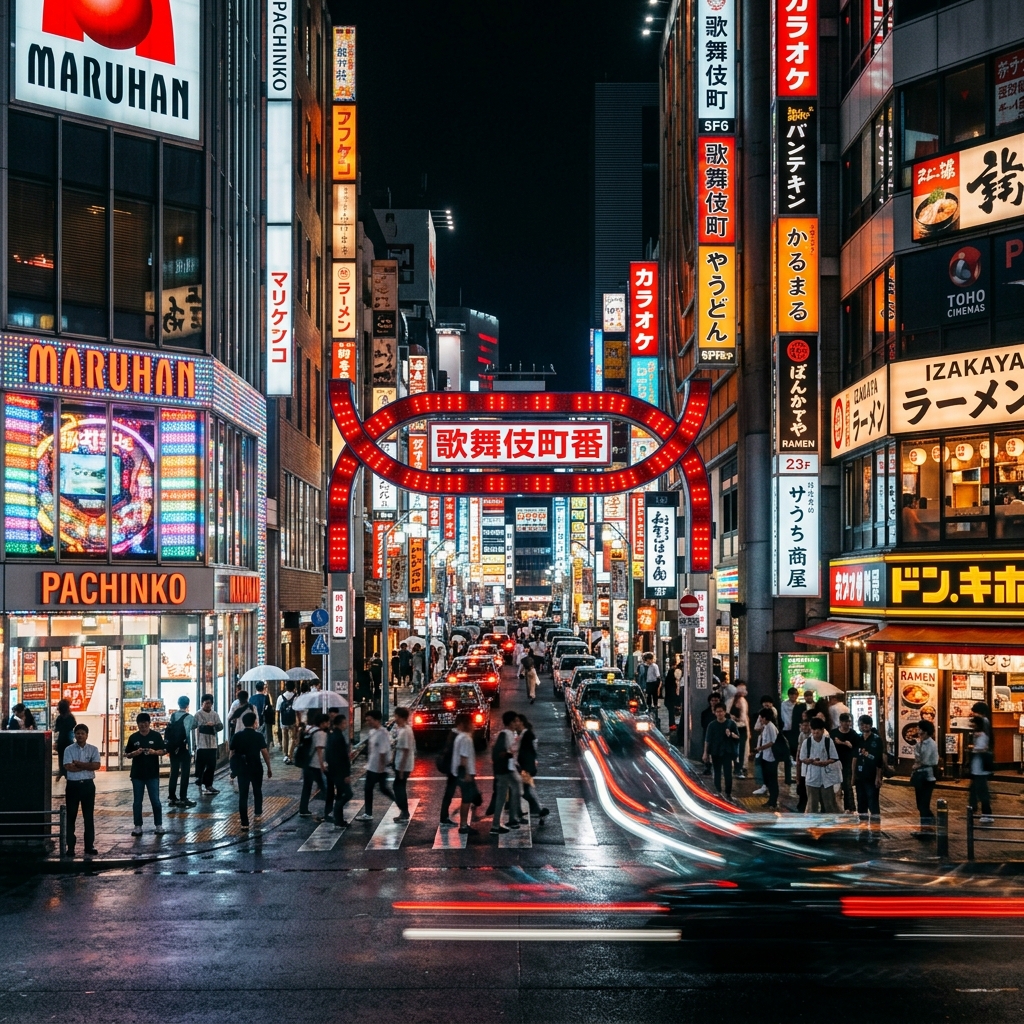
Shinjuku Gyoen National Garden
The former Naito samurai estate — 58 hectares of manicured gardens, ponds, and seasonal plantings, converted from private samurai land to a national garden in 1906.
Admission ¥500 adult. Open Tuesday–Sunday. Japan's most famous cherry blossom destination, but equally worth visiting year-round. The main pond sits at the heart of the original Naito estate.
Best combined with: morning visit to the garden, followed by the museum — you'll see Naito samurai land before learning about the warriors who held it.
Tokyo Metropolitan Government Building
Free observation decks on the 45th floor of both north and south towers — one of Tokyo's best panoramas without the ticket price of Tokyo Skytree or Tokyo Tower.
The building stands on the former site of Tokyo's city waterworks, itself built on land that was Edo-period outer moat territory administered by samurai city officials.
Hours: North tower open daily 9:00 AM – 10:30 PM; south tower alternates schedule. Free admission. 5–10 minute walk from Shinjuku Station west exit.
Golden Gai & Omoide Yokocho
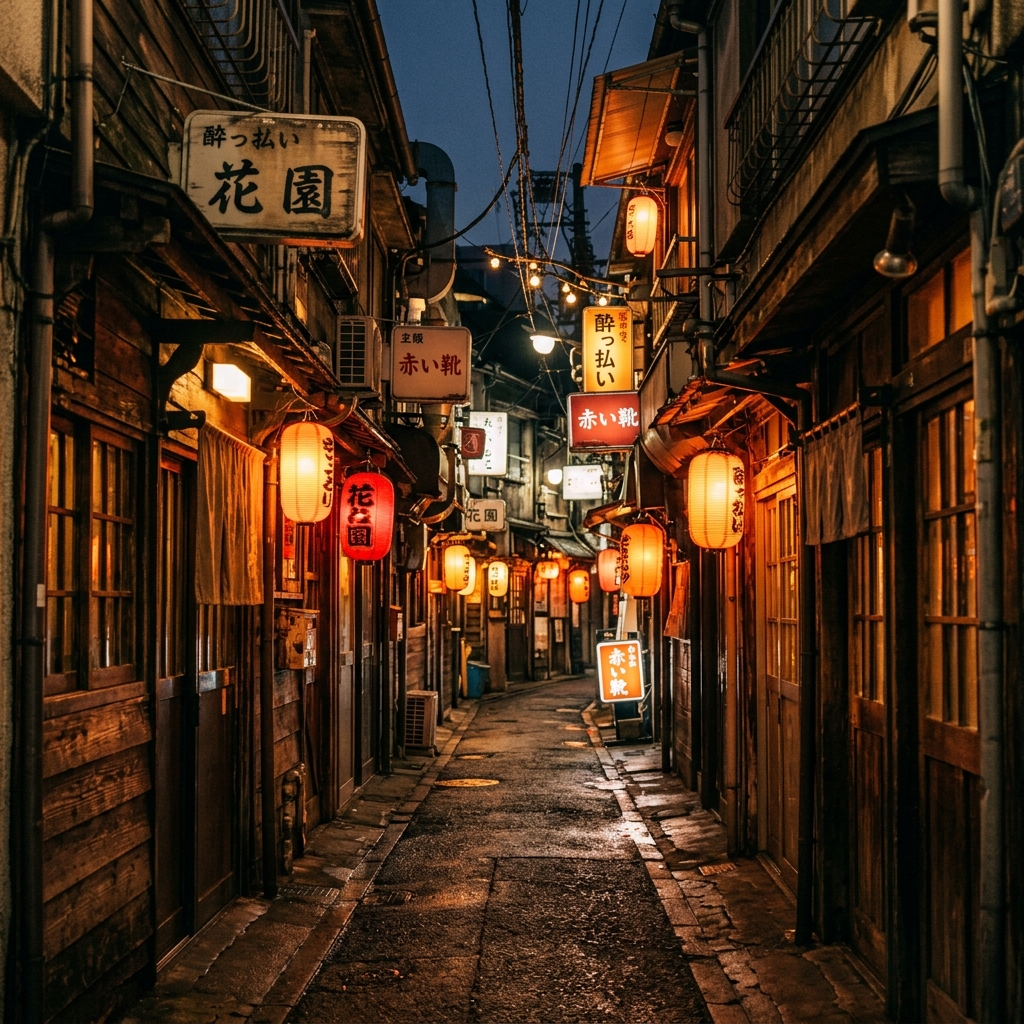
Golden Gai: a dense web of six alleys containing over 200 tiny bars, most seating 5 to 10 people, in Shinjuku's Kabukicho area, about a 15-minute walk north. One of Tokyo's most atmospheric evening spots. Most bars welcome foreign visitors; some are regulars-only, so look for an English sign.
Omoide Yokocho ("Memory Lane"): a narrow alley of grilled yakitori stalls near the west side of Shinjuku Station. The smoke, the close quarters, and the decades-old wooden stalls create a Showa-era atmosphere unlike anywhere else in central Tokyo.
All Three Maikoya Locations: Which One Is Right for You?
The Maikoya network covers Tokyo's two main tourism corridors and Japan's samurai capital — each location is a complete experience, but each has a distinct character suited to a different kind of visit.
— A guide to choosing between three cities and three experiences| Shinjuku | Asakusa | Kyoto | |
|---|---|---|---|
| Best for | Central Shinjuku stays | Families, all ages | Heritage travellers |
| Basic price | From ¥3,400 | From ¥3,500 | From ¥3,500 |
| Signature element | Hands-on guided tour | Multi-floor immersive facility | Authentic warrior capital context |
| Rating | 4.7★ rated | 4.9★ / 19,000+ (Google) | 4.7★ rated |
| Surrounding context | Shinjuku Gyoen (former Naitō samurai estate), Shinjuku-sanchome | Sensō-ji Temple, Tokyo Skytree, Nakamise | Real samurai sites — Nijo Castle, Shinsengumi district, Higashiyama |
| Evening after | Good: Shinjuku-sanchome dining, Golden Gai, Omoide Yokocho | Good — Asakusa riverside, Nakamise, izakaya | Excellent — Pontocho, Gion, Higashiyama lantern streets |
If you are spending time in both Tokyo and Kyoto, doing both cities' museums turns the Maikoya brand into a thread running through your Japan trip: same guided format, radically different historical settings. The Kyoto branch makes a natural pairing with a Nijo Castle visit or a Shinsengumi day in the Mibu district. The Shinjuku and Asakusa branches are different Tokyo experiences: Shinjuku sits in central Shinjuku near Shinjuku Gyoen, Asakusa is larger and more family-oriented near Sensō-ji.
Practical Information
Hours
Opens daily from around 9:00 AM and runs into the evening. Tours start every 15 minutes. Check the Maikoya booking page for current session times and seasonal variations.
Tickets
Basic experience from about ¥3,400 per adult, including guided tour, armor try-on, and shuriken throwing. Upgraded packages with additional sword training and demonstrations are available.
Getting There
The museum is at 5-17-13 Shinjuku, Oriental Wave Building, in eastern Shinjuku, two minutes from Shinjuku-sanchome Station and about seven minutes from Shinjuku Station, near Shinjuku Gyoen. Shinjuku-sanchome is served by the Tokyo Metro Marunouchi and Fukutoshin lines and the Toei Shinjuku Line; Shinjuku Station adds the JR Yamanote and Chuo/Sobu lines, Odakyu, and Keio.
Frequently Asked Questions
Both are operated by Maikoya and share the core format: English-language guided tour, samurai armor try-on, and shuriken throwing. The Shinjuku branch sits in central Shinjuku, two minutes from Shinjuku-sanchome Station and near Shinjuku Gyoen, the former Naitō samurai estate. The Asakusa branch is purpose-built across multiple floors with a broader menu of ninja training packages and is more family-oriented. The Kyoto branch (a third Maikoya location) is surrounded by real historical samurai sites.
The basic experience starts at approximately ¥3,000 per adult, with upgraded packages including additional demonstrations available at higher price points. Current pricing and session options are shown on the official Maikoya site (mai-ko.com).
Shinjuku's samurai history is older and deeper than most visitors realize. Shinjuku Gyoen — the national garden five minutes from the museum — was the private estate of the Naito samurai clan, granted to them by Tokugawa Ieyasu in 1603. The Shinjuku-juku post town served travelers on the Koshu Kaido road, one of the Tokugawa shogunate's Five Routes of Edo, and the Yotsuya Mitsuke checkpoint at Shinjuku's eastern edge was a strategic samurai gate controlling movement on this road for over two centuries of shogunal rule.
If you have one day in Tokyo for a samurai museum visit: choose Asakusa for a more complete, family-inclusive experience with more activity options. Choose Shinjuku if you are based in central Shinjuku and want a hands-on samurai experience near Shinjuku Gyoen. If you have two or more days in Tokyo, doing both gives you a full picture of the Maikoya network, and they are genuinely different experiences despite sharing the same brand format.
The natural Shinjuku day around the museum: Shinjuku Gyoen (former Naitō samurai estate, ¥500, closed Mondays) in the morning, museum in the afternoon, then Omoide Yokocho or Golden Gai for the evening. The Tokyo Metropolitan Government Building observation deck is free and a short ride from Shinjuku Station's west side, worth the detour for the panorama. Shinjuku Gyoen is right by the museum and worth pairing with the visit.
Book Samurai Museum Tokyo Shinjuku Tickets
Reserve with free cancellation on Viator, or book on the official Maikoya site.
samuraininjamuseum.com is an independent guide and a Viator affiliate. If you book through the Viator links below we may earn a commission, at no extra cost to you.

Basic Museum Ticket & Pass
Skip-the-line entry to Samurai Museum Tokyo in central Shinjuku, English-guided tour, samurai armor try-on, and ninja star throwing.
 New on Viator
Ninja Experience
Museum tour plus a hands-on ninja workshop at the Shinjuku branch, family-friendly.

Samurai Theater & Experience
A top-rated central-Tokyo samurai experience by another operator.
Book the Samurai Ninja Museum Shinjuku
Samurai armor try-on, shuriken throwing, and an English guided tour, two minutes from Shinjuku-sanchome Station and near Shinjuku Gyoen, the former Naitō samurai estate.