The Samurai Ninja Museum Kyoto brings hands-on samurai and ninja experiences to the city that shaped warrior Japan. Operated by Maikoya, the same team behind the highly-rated Tokyo flagship, this Kyoto branch holds a 4.7-star rating. Where Tokyo's museum reconstructs the samurai era, Kyoto's version sits inside a city where Tokugawa Ieyasu built his strategic castle, where the Shinsengumi actually trained and fought, and where the Meiji Restoration ended 700 years of samurai rule on the real streets outside.
What to Expect at the Samurai Ninja Museum Kyoto
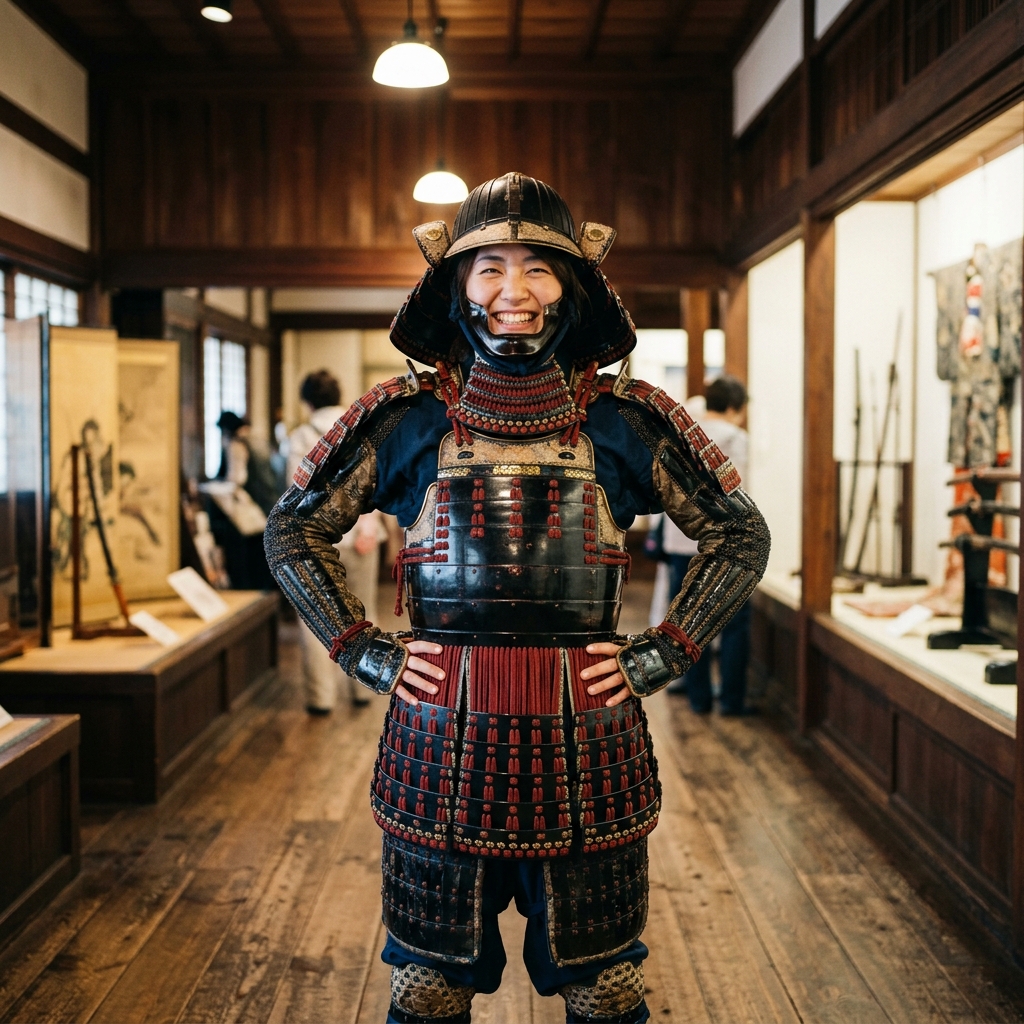
The Kyoto branch follows Maikoya's proven format: a guided tour led by an English-speaking instructor who walks visitors through the social world of the samurai and ninja, punctuated by hands-on activities that make history tangible rather than passive. The museum format is more intimate than the Tokyo flagship, which works to its advantage — smaller groups mean more personal attention from guides.
The experience is well-established, and visitor reviews consistently highlight the quality of the guides and the surprising depth of the historical content. Unlike many heritage attractions in Kyoto that require Japanese reading ability to unlock their full story, the SNM Kyoto is built for international visitors.
Samurai Armor Try-On
Full Edo-period armor and helmet fitting — the most popular photo opportunity. Included in the basic ticket at all tiers.
Ninja Shuriken Throwing
Throw real shuriken at wooden targets under instruction. One of the most universally praised activities across all Maikoya locations.
Guided History Tour
English-speaking guide covers samurai history, social hierarchy, famous warriors, and the real story of Japan's shinobi — with Kyoto-specific historical context.
Why Kyoto Changes the Experience
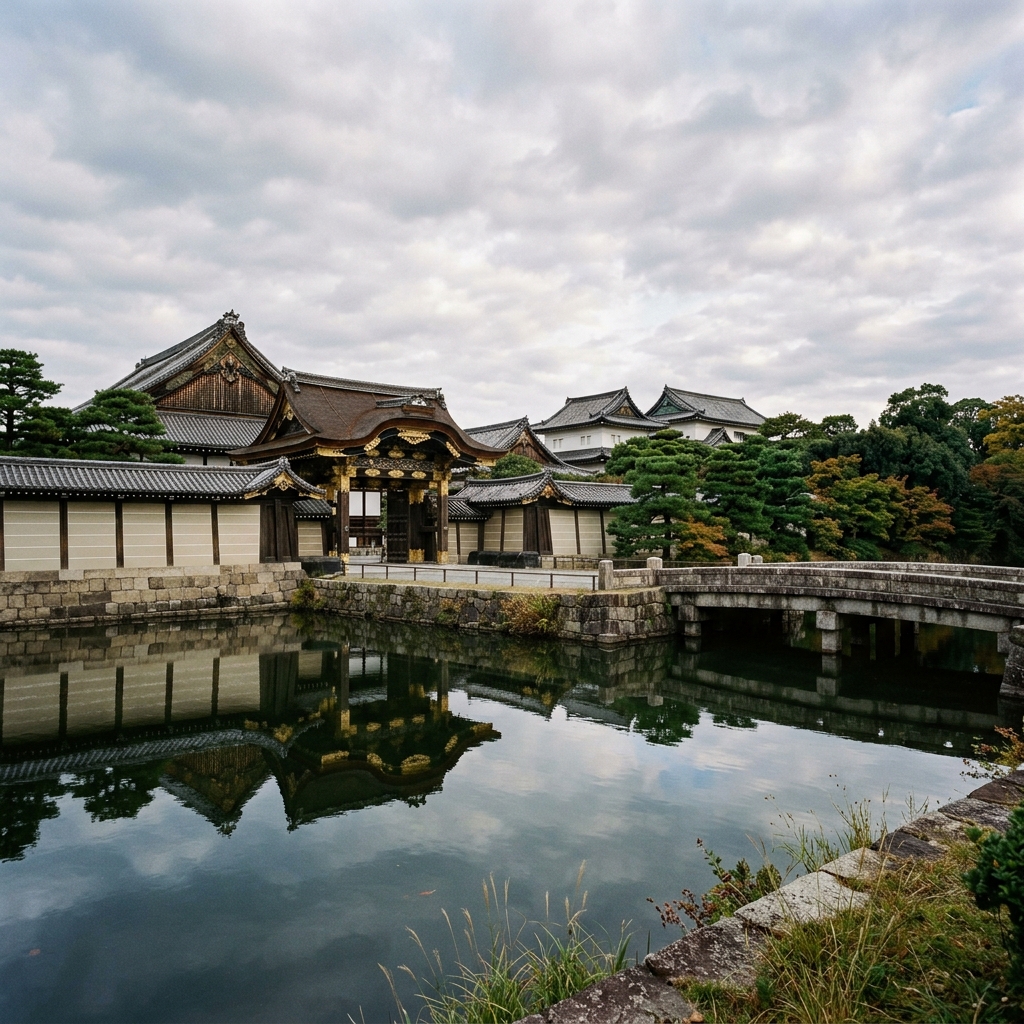
Kyoto served as Japan's imperial capital for over a thousand years, and its samurai history is not a theme — it is the physical fabric of the city. Within walking distance of central Kyoto stands Nijo Castle, where Tokugawa Ieyasu consolidated shogunal power in 1603 and where the last shogun, Tokugawa Yoshinobu, formally returned power to the Emperor in 1867 — the moment that ended the samurai age. The nightingale floors that chirp when walked upon were an anti-assassination security system; the Kano-school paintings on 3,600 sliding panels are the finest surviving example of samurai-era decorative arts.
Kyoto is equally the city of the Shinsengumi — the famous Bakumatsu-era samurai police force whose members trained at Mibu-dera Temple, headquartered at the Yagi House (still visitable today, sword-cut pillars intact from the 1863 assassination of commander Serizawa Kamo), and fought their most famous battle at the Ikedaya Inn in 1864. The Ryozen Museum of History in Gion displays the actual swords of Kondo Isami and Hijikata Toshizo alongside personal effects of Sakamoto Ryoma, who was assassinated nearby in 1867. Visiting the Samurai Ninja Museum Kyoto is not just the experience itself — it is the entry point into one of the most historically layered cities on earth.
Reserve Your Spot at the Samurai Ninja Museum Kyoto
Advance booking is strongly recommended — timed entry slots fill quickly, especially on weekends and during Kyoto's peak spring and autumn seasons. Book your Kyoto samurai ninja experience.
Kyoto's Samurai Heritage Cluster: What to Combine
The Samurai Ninja Museum Kyoto works best as the opening chapter of a broader Kyoto samurai day, not its conclusion. The city's warrior heritage is concentrated in three distinct clusters, each walkable or a short transit ride from central Kyoto.
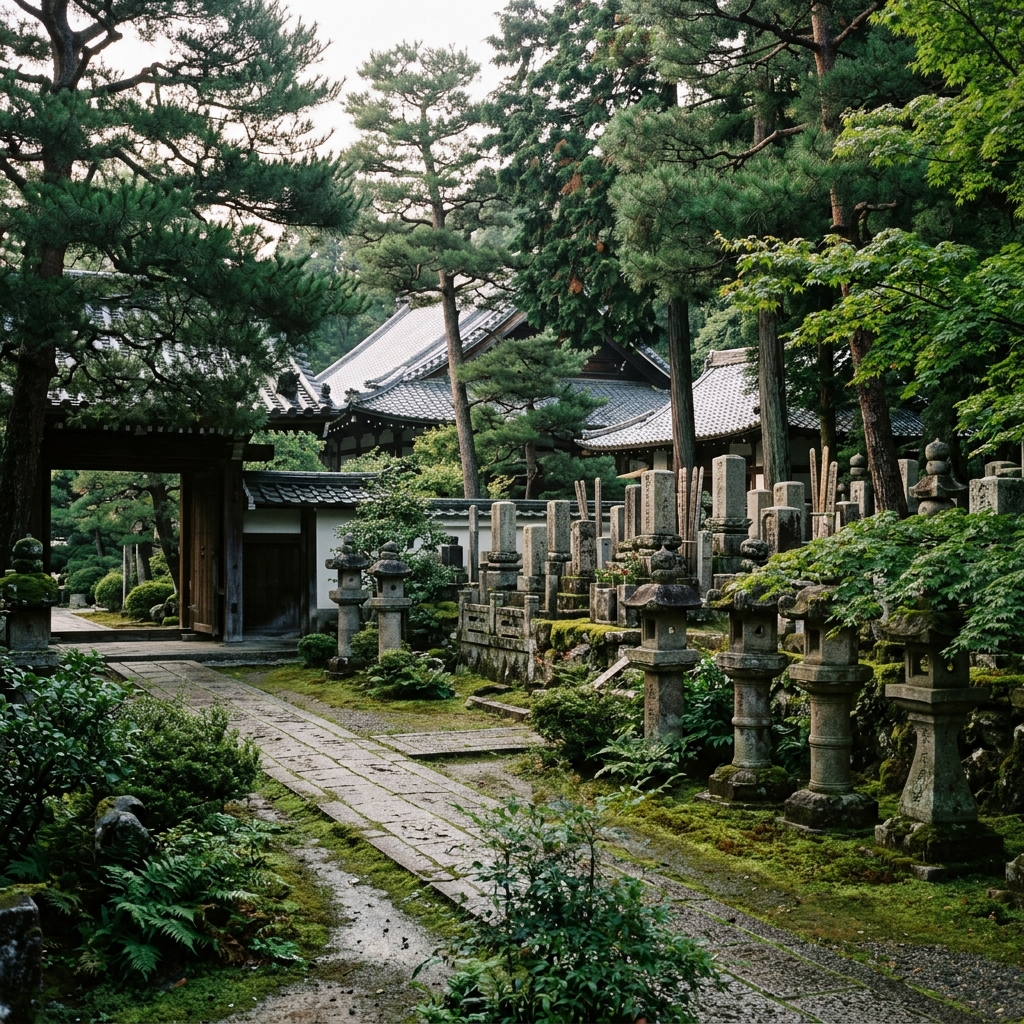
The Shinsengumi District (Mibu)
Mibu-dera Temple — Shinsengumi training ground with member graves and Kondo Isami statue.
Yagi House — The actual Shinsengumi headquarters. Sword cuts in the pillars from the 1863 Serizawa assassination are still visible. Includes matcha tea (¥1,100 adult).
Maekawa Residence — Sister Shinsengumi headquarters opening to visitors seasonally. Site of Yamanami Keisuke's seppuku.
Central Kyoto Power Sites
Nijo Castle (UNESCO) — Built 1603 by Tokugawa Ieyasu. Nightingale floors, 3,600 Kano-school paintings, and the room where the shogunate formally ended in 1867. Allow 1.5–2.5 hours. ¥1,300 adult.
Kyoto Imperial Palace — The imperial seat that coexisted with samurai power for centuries. Free guided tours available.
Higashiyama & Gion
Ryozen Museum of History — Bakumatsu-era museum displaying swords of Kondo Isami, Hijikata Toshizo, and Sakamoto Ryoma. Japan's only museum dedicated entirely to the Meiji Restoration period.
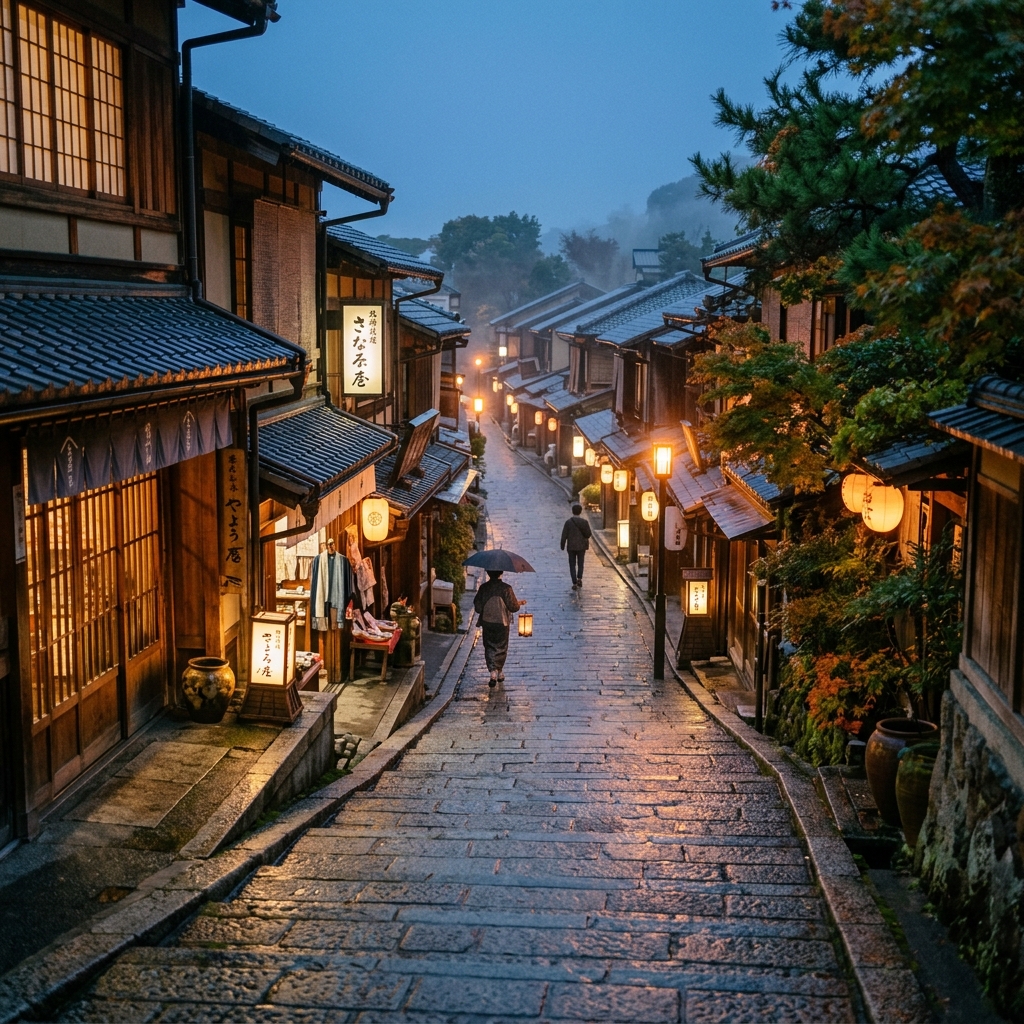
Higashiyama & Gion districts — Over 200 preserved Edo-period buildings. Sannenzaka, Ninenzaka, and Hanamikoji streets form Japan's most intact samurai-era urban landscape.
Planning more Kyoto experiences alongside the museum? Things to Book in Kyoto covers 119 tours across tea ceremony, geisha, Fushimi Inari, Arashiyama, and the full samurai and ninja category — a useful companion for building your Kyoto day.
Kyoto vs. Tokyo: Which Samurai Ninja Museum Should You Visit?
Choose Kyoto if the city is already on your itinerary — combining the museum with real Shinsengumi sites, Nijo Castle, and Higashiyama turns a single experience into a full immersive day in samurai Japan.
— A practical guide for travelers choosing between locations| Kyoto | Tokyo Asakusa | |
|---|---|---|
| Rating | 4.7★ rated | 4.9★ / 19,000+ (Google) |
| Basic price | From ¥3,500 | From ¥3,500 |
| Venue size | Intimate setting | Multi-floor dedicated building |
| Surrounding heritage | Unmatched — real samurai sites citywide | Sensō-ji Temple, Tokyo Skytree |
| Best for | Heritage travellers, history depth | Families, full-day activities |
The Kyoto branch suits travellers who want a more contemplative and historically grounded experience — the museum as orientation before spending the rest of the day inside the real thing. The Tokyo branch suits families and those who want a larger, more activity-dense venue where the experience is the main event. Both are worth doing if Japan is your focus.
Practical Information
Hours
Opens daily from around 9:00 AM and runs into the evening. Tours depart on a rolling schedule. Check the Maikoya booking page for current times and seasonal variations.
Tickets
Current pricing shown at booking on mai-ko.com. Upgraded packages including sword training and tea ceremony available. Reserve your place.
Getting There
109 Horinouechō, Nakagyo Ward, Kyoto, accessible by Hankyu Railway, Kyoto Municipal Subway, or city bus.
Frequently Asked Questions
Both are operated by Maikoya and share the same guided format: armor try-on, shuriken throwing, and English-language history tour. The Kyoto branch is smaller and more intimate. It holds a 4.7 out of 5 rating. The Tokyo Asakusa branch is the larger flagship, set across multiple floors, with a broader range of upgrade packages; basic tickets for either branch start around ¥3,500.
The Kyoto basic experience is priced toward the lower end of the range. Upgraded experiences including ninja training and sword demonstrations are available. Book the Kyoto samurai experience: pricing and timed entry slots are shown at checkout on the official Maikoya site.
The museum is at 109 Horinouechō, Nakagyo Ward, Kyoto, accessible by Hankyu Railway (Kyoto-Kawaramachi Station) or Kyoto Municipal Subway.
Choose Kyoto if you are visiting the city and want to pair the museum with authentic samurai heritage — Nijo Castle, the Shinsengumi Mibu district, Higashiyama, and the Ryozen Museum. Choose Tokyo Asakusa for a larger, more immersive multi-floor facility with more program options, especially for families with young children. If visiting both cities, doing both is worthwhile.
Kyoto has unmatched samurai heritage. Key sites to combine: Nijo Castle (UNESCO, Tokugawa castle, nightingale floors); Yagi House and Mibu-dera Temple (actual Shinsengumi headquarters and training ground — sword cuts in pillars still visible); Ryozen Museum of History (Bakumatsu swords, Sakamoto Ryoma artifacts); and the Higashiyama and Gion districts with over 200 preserved Edo-period buildings and the atmospheric Sannenzaka stone-paved lanes. For sword classes and dojo training beyond the museum, see the Kyoto section of samurai and ninja experiences across Japan.
The Kyoto museum opens daily from around 9:00 AM, with guided sessions departing on a rolling schedule into the evening. Exact session times vary by season: check the current day's schedule on the official Maikoya booking page or your ticket confirmation.
The main address is 109 Horinouechō, Nakagyo Ward. Some experience sessions may check in at a nearby annex space rather than the main entrance, so follow the exact meeting point on your booking confirmation and arrive about 10 minutes early.
Book Samurai Ninja Museum Kyoto Tickets
Reserve with free cancellation on Viator, or book on the official Maikoya site.
samuraininjamuseum.com is an independent guide and a Viator affiliate. If you book through the Viator links below we may earn a commission, at no extra cost to you.

Basic Museum Ticket & Tour
Skip-the-line entry, English-guided tour, samurai armor try-on, and ninja star throwing at the Kyoto museum.

Ninja Experience
Museum tour plus a hands-on ninja workshop with costume, family-friendly.

Sword Experience & Tameshigiri
Museum ticket plus a katana lesson and tatami-mat cutting (tameshigiri) with expert instruction.
Other Top-Rated Kyoto Samurai & Ninja Experiences
Independent picks from other operators, if you want a private class or dojo session.

Small-Group Samurai Experience
Kyoto's most reviewed samurai experience: sword technique, philosophy, and dojo practice.

Ninja 1-Hour Hands-On Lesson
Entry-level ninja lesson led by a Japanese master, includes training gear.

Samurai Training with a Modern Musashi
Immersive swordsmanship training session with a master swordsman.
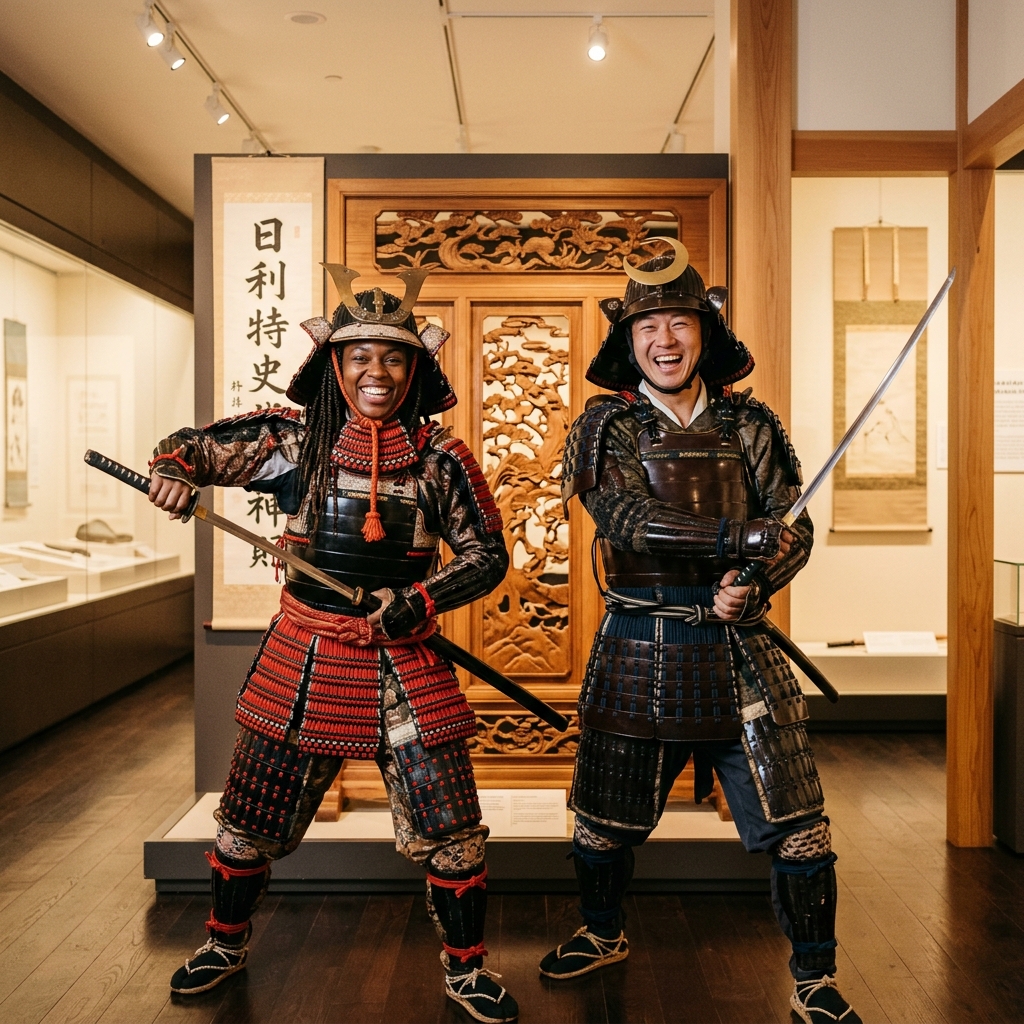
Book the Samurai Ninja Museum Kyoto
Try on authentic samurai armor, throw shuriken, and let an English-speaking guide unlock Kyoto's warrior history — before you step outside into the real thing at Nijo Castle, the Shinsengumi district, and Higashiyama.